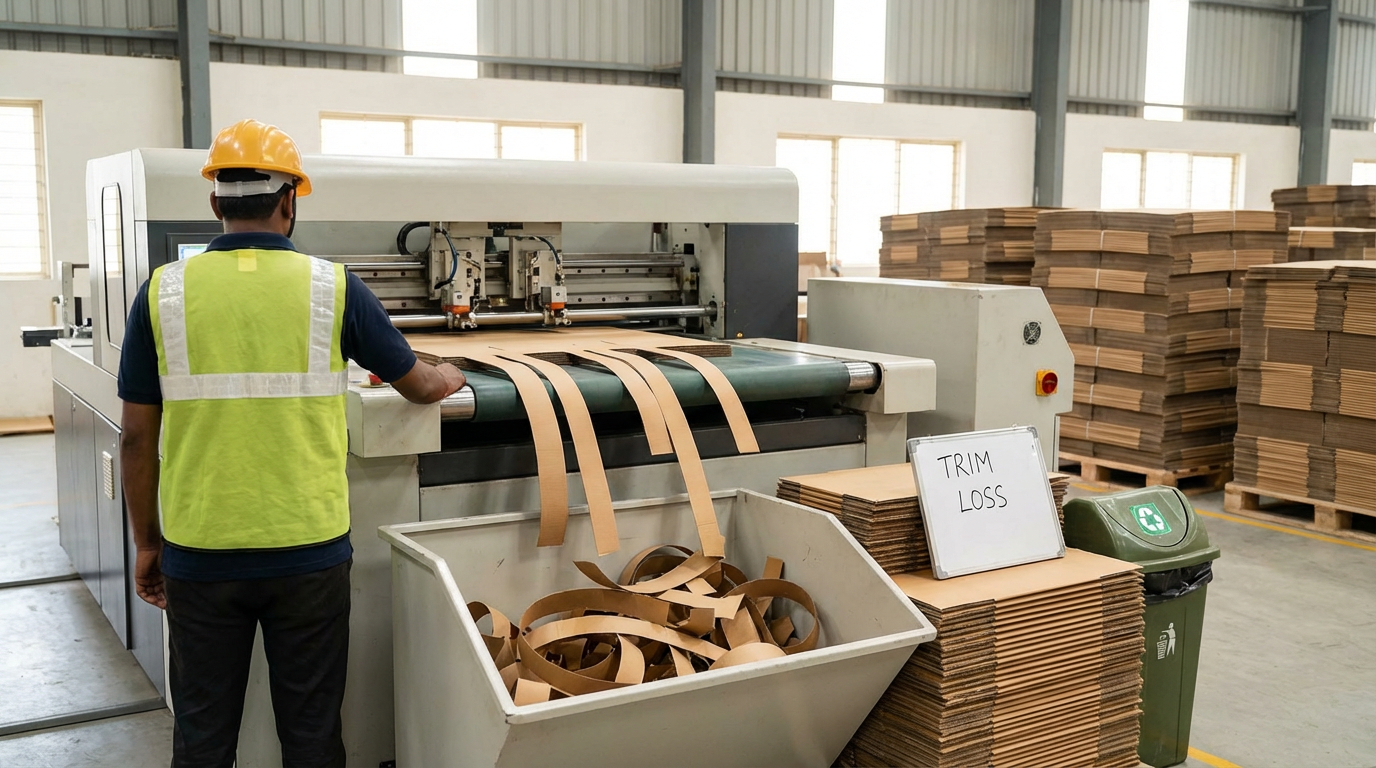
Sustainable Packaging Solutions: The Future of Corrugated Box Manufacturing
How switching to sustainable materials won contracts worth ₹2 crores. Complete guide to eco-friendly corrugated packaging that increases profits.
Rajesh Kumar lost a ₹2 crore contract because he couldn't answer one question: "What percentage of recycled content is in your boxes?" Three months later, he won it back—plus five more clients.
His Mumbai corrugated factory ran smoothly for 15 years. Then his biggest client, a premium organic food brand, asked about recycled content. Rajesh didn't track that. The client moved to a competitor offering 80% recycled content.
Lost revenue: ₹2 crores annually.
That conversation sparked transformation. Today, Rajesh specializes in sustainable packaging at premium pricing. Revenue grew 47% in one year.
Why Sustainability is Business-Critical
The numbers:
- 73% of customers pay 5-10% more for sustainable packaging
- 83% of B2B buyers have sustainability requirements
- Amazon pledged net-zero carbon by 2040
- Walmart requires 50% packaging waste reduction by 2030
Rajesh's wake-up call: "I thought sustainability was marketing fluff. Then our client showed me their supplier policy: 80% recycled content by 2025 or contract termination."
Business case:
- 15-30% material cost reduction (optimized designs)
- 25-40% increase in brand loyalty
- 10-20% premium pricing for sustainable options
- Reduced regulatory risk
Sustainable Materials That Work
1. High-Recycled-Content Paper
Post-Consumer Recycled (PCR):
- 95% recycled content vs 25-50% traditional
- Cost: Initially 8% more, volume discounts → 3% more
- Strength: 90-95% of virgin kraft
Rajesh's mix:
- 70% PCR for liners
- 30% virgin kraft for critical strength
- 100% recycled flute paper
- Savings: ₹3-5 per box
2. Biodegradable Coatings
Traditional wax/petroleum coatings contaminate recycling.
Alternatives:
- Water-based coatings: Decompose in 90 days (+₹0.50-1.50/box)
- Soy-based inks: Non-toxic, biodegradable (+₹0.30-0.80/box)
- Starch adhesives: Already standard (naturally sustainable)
3. Lightweight Design Engineering
Most sustainable = Less material used.
Rajesh invested in CAD software for optimization:
- 12-18% material reduction per box
- Maintained/improved crush strength via strategic reinforcement
- Lower shipping costs (reduced weight)
- Faster production (thinner materials)
Cost Analysis: Sustainable vs Traditional
Per 1,000 boxes:
Traditional:
- Materials: ₹187
- Energy: ₹23
- Labor: ₹45
- Total: ₹255
Sustainable (Year 1):
- Materials: ₹201 (+7.5%)
- Energy: ₹19 (-17.4%)
- Labor: ₹43 (-4.4%)
- Total: ₹263 (+3.1%)
Sustainable (Year 2):
- Materials: ₹192 (+2.7%, volume pricing)
- Energy: ₹19
- Labor: ₹41 (-8.9%)
- Total: ₹252 (-1.2% vs traditional)
Crossover: Month 14 cost-neutral, Month 22 = 3-5% cheaper while commanding 8-12% premium pricing.
Implementation Roadmap
Phase 1: Assessment (Weeks 1-4)
- Calculate material composition (% recycled)
- Measure waste/scrap rates
- Survey top 10 customers on sustainability
- Benchmark competitors
Phase 2: Quick Wins (Weeks 5-12)
- Increase recycled content with existing suppliers
- Reduce oversizing
- Track sustainability metrics
- Communicate changes to customers
Phase 3: Strategic Investments (Months 4-9)
- Design software
- Alternative fiber suppliers
- Testing equipment
Phase 4: Market Positioning (Months 10-18)
- Case studies
- Certifications (FSC, SFI, Cradle to Cradle)
- Marketing materials
- Target eco-focused customers
Key Takeaways
- Sustainability = profitability (premium pricing exceeds costs)
- Start simple: 50-70% recycled content, work toward certifications
- Target eco-conscious brands first (higher conversion)
- Measure impact: CO₂, water, trees saved (customers want data)
- Tell stories: help customers market their sustainable choices
- Be patient: reputation builds in 6-12 months
Rajesh now: 64% revenue from sustainability products. "Going green was the best business decision I ever made."
Ready to streamline your business?
Try Packwares CMS free and transform your operations.